

Key Highlights
Here’s a quick look at what we’ll cover in this guide to understanding how credit repair works.
- A credit repair company works on your behalf to find and dispute errors on your credit report with the major credit bureaus.
- The primary goal of credit repair is to remove inaccurate negative items, which can help improve your credit score over time.
- While you can repair your credit on your own for free, hiring a professional can save you time and offer expert guidance.
- Legitimate credit repair companies operate under the Credit Repair Organizations Act, but scams exist, so it’s vital to spot the red flags.
- Costs typically involve an initial setup fee and a monthly fee, but the value comes from potential improvements to your credit health.
- Choosing a reputable company involves checking reviews, understanding their services, and asking the right questions before you commit.
Introduction
Your credit history can change a lot about your money life. It can affect things like getting a loan or what interest rates you get. If something bad shows up on your credit report, it might feel like a big problem. It can make it hard to reach your financial goals. If you see mistakes or things that look wrong that make your score drop, you might want to know what you can do.
This is where credit repair services can help you. Many people ask, “Do credit repair companies really work?” This guide will show you the facts. We will explain what these companies do, how the process goes, and if paying for a credit repair service is right for you. We want to help you use what you know to make an informed decision for your financial future. We will talk all about credit repair so that you can get the answers you need.
Understanding the Role of Credit Repair Companies

A credit repair company helps you in the sometimes tough world of credit reporting. Their main job is to look at your credit reports from the three major credit bureaus—Experian, Equifax, and TransUnion. They check for mistakes that can lower your credit score. They also take care of the whole dispute process for you, so you don’t have to spend your time or feel stressed about it.
These companies use what they know about consumer laws to question items on your reports that may not be right. They can’t remove true negative information, but they are good at finding and fixing errors. You can think of them as the people who know the system and will do the work for you. Their goal is to help clean up your credit history and help you have a better, stronger financial life. Now, let’s talk about what credit repair means and how these companies work.
What Is Credit Repair?
Credit repair is when you spot and fix wrong, old, or hard-to-check facts on your credit report. Your credit report is a list that shows your credit history in detail. There can be mistakes on it more often than you may think. The mistakes can be about your personal information, or they can show accounts as late or closed even when they are not. This kind of negative information can stay on your credit report for seven to ten years. It can make it harder for you to get approved for loans or get good interest rates.
The goal of credit repair is to make sure your credit report from the credit bureaus shows a fair and correct view of how you handle money. It means you should look over credit reports from all three major credit bureaus. You look for errors and then dispute them. When you remove mistakes, you may make your credit look better and you could have more chances to reach your financial goals. You can do this yourself, or work with a credit repair company to help you.
No matter which way you pick, you follow the same steps: get your credit reports, check every part for mistakes, and send formal disputes about wrong items to the credit bureaus. When your credit report is clean, you might find it easier to get things you want, like a personal loan, a home, or a lower interest rate. Fixing these problems can really help you in the long run.
How Credit Repair Companies Approach Your Credit Score
Credit repair companies help you boost your credit score by checking if your credit reports are right. The credit repair process starts with a close look at your files from Experian, Equifax, and TransUnion. Their team knows how to find mistakes that you may not notice. This can be things like accounts showing up twice or payment history not reported the right way.
After they find any inaccurate information, they start the next step. They write dispute letters for you and send them to the credit bureaus. These letters point out what’s wrong in your reports and add any papers that back up your case. The credit bureaus have to look into these claims, usually within 30 days, because of the Fair Credit Reporting Act.
You should know that credit repair companies cannot take off negative items that are true. If you have a real late payment or a true collection account, it will stay on your report. The company uses the law to make sure the credit bureaus and your lenders report your credit the right way. By taking away wrong or inaccurate information, your credit score can get better because it is now based on good data. This can make your credit look good in the long run.
Key Services Provided by Credit Repair Firms
Good credit repair firms give you different services to help you fix problems on your credit report and look after your money matters. The main thing they do is work with major credit bureaus for you. They handle all back-and-forth talks and make sure you do not miss anything, which can save you a lot of time. Most companies start off by helping you get copies of your credit report. Sometimes they even give a free credit report check to see where you stand.
But, the companies do not just send dispute letters. Many also offer more credit repair services to give you bigger help. These can help you know more about your credit score and keep it up even after they have fixed old trouble. Services you might get include:
- Credit Report Analysis: They take a close look at your reports from all three credit bureaus to spot mistakes or negative items.
- Dispute and Challenge Services: They manage the full dispute process. This includes writing letters and talking to bureaus and creditors about your credit report.
- Creditor Interventions: They talk to your creditors for you and try to get bad marks taken off.
- Ongoing Credit Monitoring: They keep an eye on your credit report and any credit score changes for new problems.
- Debt Validation Letters: They send papers to collection groups to prove a debt is really yours.
- Personalized Advice: They tell you clear steps and tips so you can build and keep a good credit score
The Process: How Do Credit Repair Companies Work?
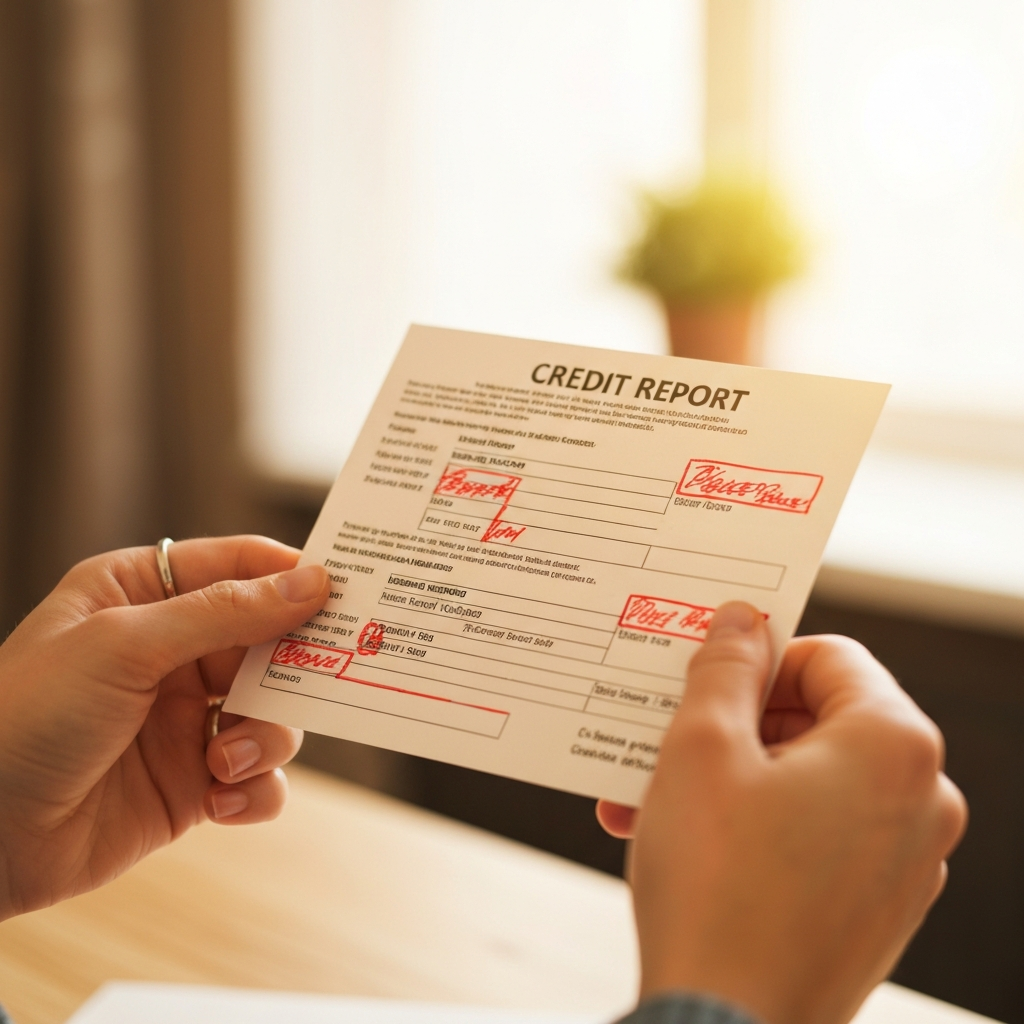
So, what really goes on when you start working with a credit repair company? The credit repair process is a simple path that helps spot problems on your credit report and fix them. It begins with a close look at your credit and moves through a few important steps. During this time, the company speaks for you with the credit bureaus.
The company makes it easier for you by handling the hard work of removing mistakes from your credit report. They use their skills to work with the credit bureaus in the right way. They make sure every problem is challenged with care, and they keep up with each dispute. Here is how a credit repair company usually works to make your credit report better.
Initial Credit Report Evaluation
The first thing to do in credit repair is to check your credit reports in detail. When you sign up, the company gets copies of your credit reports from the three major credit bureaus: Experian, Equifax, and TransUnion. This is important because not all creditors send information to every bureau. So, an error might be in one place but not show up in another.
After they have your reports, trained staff look hard at every detail. They search for any inaccurate information that could hurt your score. The team checks more than clear mistakes; they also look for things that might not follow the Fair Credit Reporting Act. They look over your personal information, all accounts, balances, and public records to spot anything strange.
This first look sets up the whole plan for credit repair. With all this in mind, the company makes a custom plan that fits your needs. They pick the items that are most likely to get fixed and work on those first. This way, you get the biggest boost to your credit fast, and your credit profile improves in the best way possible from the start.
Identifying Discrepancies and Negative Items
After the first look at your credit, the next step is to find the mistakes and negative items that can be challenged. People who work at credit repair companies know what to look for. They often see types of wrong or false information that others may not see. Some mistakes are simple, like your name spelled the wrong way or the wrong date of birth. Some problems can be more tricky.
A few common negative items they search for are duplicate accounts. This is when one debt is shown two times. They also look for accounts that are not yours. This can be a sign of identity theft. Credit repair experts check for outdated information too. Most negative information must be taken off your report after seven years by law. They also work on things like late payments reported the wrong way, or collection accounts that are not correct by the collection agency.
After they find possible errors, the company sorts them out to make a strong case for each dispute. They collect the facts needed to question these negative items with the credit bureaus. This careful check is important, because winning a dispute means showing the major credit bureaus a simple and strong reason to fix or remove the bad information.
Dispute Resolution and Communication Tactics
With a list of problems found, the credit repair company gets started on its main job. This is called the dispute process. They reach out to credit bureaus and sometimes the original creditors to challenge what they found on your credit report. The company writes and sends dispute letters for you. This is a big part of what they do. These letters say what error was found and ask for an investigation, as requested by federal law.
This is not a one-time thing. The credit repair experts keep talking with the credit bureaus and follow up as needed. They handle all the back-and-forth, even if it takes a lot of time. They track every dispute. They follow up if credit bureaus are slow to answer, and they push harder when needed. Their ways are made to help you get accurate information in your credit report. Some things they usually do are:
- Sending targeted dispute letters that show which consumer protection laws matter.
- Providing supporting documentation to prove there was an error.
- Following up systematically so credit bureaus finish their check within the 30-day limit set by law.
- Challenging the verification methods creditors use if the disputed item is not taken out.
The aim is to guide the dispute process in a way that is quick and works well. The Fair Credit Reporting Act says credit bureaus must check disputes and remove anything they can’t prove is correct. A credit repair company’s skill and persistence can help a lot
Ongoing Credit Monitoring and Support
Credit repair is not something you can do just one time and be done. Many good companies give you credit monitoring services in their packages. With this, you and the credit repair company can watch your credit report for any new changes. It helps you make sure that errors that were fixed do not show up again, and that no other mistakes get on your report. This kind of service is important if you want to keep your progress with your credit score.
When you get this support, you often get an online portal or app. You can use it to check the status of your credit disputes and see your credit score updates. If a new negative item comes up, the credit monitoring part will give you an alert. That way, your team can work on it fast. This way, you keep your credit health safe over time.
This part offers more than just watching your credit. Many companies give you a person or a team to talk to whenever you have questions. There are also tools and learning materials, so you understand how to get and keep a good credit score. Using both technology and real support, the credit repair company makes sure you are not alone after your first disputes are handled. This helps you protect your credit and makes the service much better.
Pros and Cons of Using Credit Repair Companies

Deciding if you should hire a credit repair company can feel like a big choice. On the good side, these services have people who understand how things work. They can save you time and cut down on stress. They also know how to go through the steps needed to fix problems and challenge the negative information that might not be right on your credit report. If you have many mistakes in your report, credit repair help can make things a lot better fast.
But, you need to think about the bad side, too. Some companies in credit repair have scams, and sometimes you spend money but do not get results. Plus, credit repair companies will not be able to remove every piece of negative information. If something bad in your report is true, it cannot be taken out by them. Before you make your choice, learn about both the good things and the possible problems of using credit repair services. This way, you can make a smart move for your credit score.
Advantages of Professional Credit Repair Assistance
One of the biggest benefits of hiring a professional is that you get their expert advice right away. People who work at a reputable company know the details of credit reporting laws, like the Fair Credit Reporting Act. They also know your legal rights as a consumer and can spot mistakes that you might not notice. Most importantly, they know how to talk to the credit bureaus and dispute errors in the best way. Their help can be very useful.
There is also a big time and convenience benefit. If you try to fix your credit on your own, you need to spend hours pulling your reports, writing dispute letters, and keeping up with the credit bureaus and your creditors. When you give these tasks to a professional, you get your time back and avoid stress. The company takes care of all the reports and talks to the right people for you, so you can go back to other things you care about. For many people, this convenience is the main reason to pick credit repair services.
A reputable company also has the tools and steps in place to handle the job fast and right. They often have special software to check how things are going. They may also know people at the bureaus who can help get quicker answers.
The main advantages of professional credit repair are:
- Expert Knowledge: Professionals understand credit laws and good ways to dispute mistakes.
- Time Savings: They do all the work that takes time.
- Stress Reduction: You do not deal with the credit bureaus
Potential Drawbacks and Limitations
While credit repair has good points, you should also know the things that could go wrong with hiring a credit repair company. The main thing you need to think about is the cost. The company will ask you to pay an initial setup fee. You also have to pay an ongoing monthly fee, usually between $50 and $150 a month. If you only need to fix one or two simple things on your credit history, it may cost more than it helps, because you can dispute errors on your own for free.
Another big risk is credit repair scams. There are many shady companies out there in the industry. Some companies lie or promise things they cannot do and just take your money. You have to be careful and pay attention to red flags. Stay away from companies who promise your credit score will go up or say they can remove accurate negative information on your report. These are bad signs.
Be sure you know what to expect if you use a credit repair company. They cannot do magic. They are only able to try to fix inaccurate information. If the negative items on your credit history are real and accurate information, they have no way to take them off. Knowing these things will help you not get upset later. The main drawbacks to remember are:
- Cost: The company can be pricey, with an initial setup fee and ongoing monthly fees.
- Risk of Scams: Watch out for companies that aren’t honest. Some act like legitimate credit repair companies but are not. *
Differences Between DIY and Professional Credit Repair
Choosing between fixing your own credit and hiring a professional comes down to your personal situation, including how much time you have and the complexity of the errors on your report. The DIY approach is completely free. You can get a free credit report from each of the three major bureaus annually and file dispute letters yourself online or by mail. If you have only a few obvious errors and are comfortable with the process, this can be a very effective option.
On the other hand, professional credit repair offers expertise and convenience. A reputable company brings deep knowledge of credit laws and has experience dealing with the bureaus, which can be particularly helpful if your credit issues are complex or you feel overwhelmed. While it comes at a cost, many find the service is worth it to save time and reduce stress, especially when facing multiple inaccuracies.
To help you decide, here’s a comparison of the two approaches:
|
Feature |
DIY Credit Repair |
Professional Credit Repair |
|---|---|---|
|
Cost |
Free |
Initial setup fee and monthly fees |
|
Time Commitment |
High (research, letter writing, follow-up) |
Low (the company handles the work) |
|
Expertise |
Requires you to learn the process and laws |
Access to trained professionals and legal knowledge |
|
Process |
You manage all disputes and communication |
A reputable company manages the entire process for you |
|
Best For |
Simple errors, people with time and confidence |
Complex issues, people who want convenience and expert help |
Ultimately, the right choice depends on you. If you’re ready to put in the work, you can successfully repair your own credit. If you’d rather have an expert guide you, a professional service might be the better fit.
Legitimacy and Regulation of Credit Repair Firms
When you look for a credit repair firm, you might ask, “Are they real, or just trying to cheat me?” The good thing is that you will find many legitimate companies you can trust. These companies have to follow laws, mainly the Credit Repair Organizations Act (CROA). The Federal Trade Commission (FTC) makes sure these rules are followed. These rules tell these firms what they can and cannot do, and they help keep your legal rights safe as a consumer.
But you should know that credit repair scams do exist. Some companies will try to trick people who want to fix their credit. They might promise too much, or use ways that break the law. It is important to know how you can tell a reputable company from a scam. Next, let’s look at how you can spot real credit repair companies instead of fake ones, and know about the legal protections that you get.
Signs of Reputable vs. Fraudulent Companies
It is good to know how to tell the difference between reputable credit repair companies and those that are fake. Doing so can help you stay away from trouble and protect your credit score. Real, legitimate companies will be honest with you about what they can do, how much it costs, and will only share realistic results. They will not guarantee your credit score will go up by a certain number, or say they can get rid of negative information if that information is correct, because that is not possible. These are common deceptive practices in this area.
Fraudulent companies, on the other hand, try to push you into a deal fast and often make big promises that are not true. The use of high-pressure sales and such bold statements are big red flags. The Consumer Financial Protection Bureau (CFPB) says one of the biggest signs you are dealing with a scam is if a company asks you to pay up front, before they have done the job. Under the CROA, it is not allowed to ask for payment until a company has finished their part of the deal.
To help you see the difference and find a company you can trust, here is what to look for when picking between reputable and fraudulent companies:
- Reputable: They tell you your legal rights. They also let you know that you may cancel your contract within three business days.
- Fraudulent: They ask for up-front fees before they start on your credit repair.
- Reputable: They give
Legal Protections and Guidelines (California & US)
You have important legal rights when you work on credit repair. Federal law is there to protect you from unfair and tricky practices. The main law that helps you is the Credit Repair Organizations Act (CROA). This law covers credit repair across the country, including places like California. Under the CROA, it is against the law for companies to lie about what they do. The law also says they have to give you a written contract that clearly shows your rights.
The Fair Credit Reporting Act (FCRA) is another law you need to know about. The FCRA gives you the right to dispute things in your credit report if you think something is wrong. Credit bureaus have to check on your disputes quickly, usually in 30 days. These laws make the credit reporting system more fair and give you a way to fix mistakes on your credit report.
Along with these main laws, some states like California might have their own rules for even more protection. Some groups from the government, like the Federal Trade Commission (FTC) and the Consumer Financial Protection Bureau (CFPB), make sure the laws are followed. The CFPB, in particular, has taken big steps against companies that break the rules and given back a lot of money to people. These rules are there to make sure you get honest help with your credit and stay safe from deceptive practices.
Common Credit Repair Scams and How to Avoid Them
Avoiding credit repair scams starts with knowing the common red flags. There are people who use one of the worst and illegal tricks. They talk about giving you a “new credit identity.” Some may tell you to apply for a Credit Privacy Number (CPN) or an Employer Identification Number (EIN) so you can use it instead of your social security number. This is a form of identity theft. It can get you in big trouble, including fines and even jail time.
Another scam happens when someone promises things that do not sound real. If a company says it can remove all negative information from your credit report—even things that are true—or says you will get a 100-point score bump overnight, you should be careful. Legitimate companies understand they can only fix wrong or outdated information. Credit repair takes time and should not be fast.
The best way to keep safe is to stay informed and act with care. Always check the company before you sign up. Here are some credit repair scams you should look out for:
- The Upfront Fee Scam: The company asks you to pay before doing any work. This is against the law under the CROA.
- The CPN or “New Identity” Scam: The company tells you to use a fake social security number. This is a crime.
- The “Guaranteed Results” Scam: They swear you will get certain results, like a better credit score or make all your real debts disappear.
- **The
Costs and Value: Are Credit Repair Companies Worth It?

When you look at a credit repair company, it is smart to ask how much it will cost and if you will get enough value for your money. The cost can be different for each company. Most of them will want an initial setup fee at first. This fee is to get your credit reports and make a plan for you. After that, they charge a monthly fee for the ongoing help they give.
The real value of credit repair is not just in what you pay. It is also about how much you can save later. A better credit score can help you get lower interest rates on things like car loans, credit cards, or even mortgages. This can save you a lot of money as time goes by. If credit repair is worth it for you depends on your own money situation and how bad the errors are in your credit report. Now, let’s look at the usual costs and what you get when you pay for this kind of service.
Typical Fees and Pricing Structures
The cost of credit repair services can vary from one company to another, but most legitimate companies follow a similar pricing model. This usually involves two main types of fees: an initial setup fee and a recurring monthly fee. The initial setup fee, sometimes called a “first work fee,” covers the cost of pulling your credit reports and conducting the initial analysis. This fee is typically a one-time charge at the beginning of your service.
After the initial setup, you’ll usually pay a monthly fee for the ongoing credit repair services. This fee covers the work of disputing items, communicating with credit bureaus, and providing you with updates and support. Monthly payments can range from around $50 to $150, depending on the level of service you choose. Some companies offer different tiers of service, with more expensive plans including more disputes per month or additional features like credit monitoring.
It’s important to note that legitimate companies are legally forbidden from charging you before they perform any services. Be wary of any company that demands a large upfront payment. Here’s a look at a typical pricing structure you might encounter:
|
Fee Type |
Typical Cost Range |
Description |
|---|---|---|
|
Initial Setup Fee |
$19 – $195 |
A one-time fee for account setup and initial credit analysis. |
|
Monthly Fee |
$50 – $150 |
A recurring charge for ongoing dispute services and support. |
|
Couples Discount |
Varies |
Some companies offer reduced pricing for couples signing up together. |
|
Flat-Rate Plan |
$500 – $600+ |
A one-time payment for a set period of service (e.g., six months). |
Always review the pricing details in the written contract before you sign up to ensure you understand all the costs involved.
What You Get for Your Money
When you pay for credit repair services, you are not just paying for someone to send letters. You are spending your money to get a complete package that helps you save time and stress. You also get the benefit of experts who know a lot about credit bureaus and credit scores. The team works to help fix problems with your credit fast.
The main job is to take care of the whole dispute process. This means finding errors on your credit and talking to the credit bureaus for you. But many credit repair companies do even more. Based on which service plan you pick, your monthly fee can pay for extra features that are good for your credit health and safety.
So, what do you get for your monthly fee with credit repair? Here is a simple list of what most plans include:
- Professional Credit Analysis: Your credit reports get checked closely to spot anything that can be disputed.
- Dispute Management: The team writes the letters for you and keeps up with replies during the credit dispute process.
- Credit Monitoring: You get continued tracking of your credit for any new problems or changes.
- Expert Advice and Support: You can talk to credit specialists whenever you need answers or guidance about your credit score.
- Additional Financial Tools: Some plans also give you things like a tool to check your credit score, identity theft watch, or more learning to help you.
You get a lot of value from this. There is clear help, credit monitoring, and
Comparing Value for Los Angeles, CA Residents
If you live in a place with a high cost of living, like Los Angeles, CA, good credit is very important. In Los Angeles, the market for housing and loans is very tough. Your credit score may decide if you get an apartment, a mortgage, or a car loan with a good rate. Having a strong credit score can help you save money. Sometimes, what you save on a lower interest rate over the life of a loan is more than what you pay for credit repair services.
When you pick a credit repair company in Los Angeles, it is good to find one that knows both the federal and California consumer protection laws. The credit repair process is basically the same across the country, but a company that knows the rules for California gives you more peace of mind. California works hard to protect consumers. A good credit repair company, whether it is local or national, will know these rules.
For people in Los Angeles, it all comes down to comparing the cost of the credit repair service with the financial benefit you get from a better credit score. Because money matters so much in the LA area, putting your money into a service that helps fix your credit report and increases your credit score can be a smart thing to do. Before you decide, check with offices like the Consumer Financial Protection Bureau (CFPB) to make sure there are no big complaints against the credit repair company you are considering.
Making an Informed Choice: What to Look For
Picking the right credit repair company is a big step if you want to make your money problems better. There are a lot of choices out there, and it can be hard to find the best fit for you. To make an informed decision, you have to do some research and not just believe the ads. A reputable company will be open about what they do, act in a professional way, and give you real, honest help.
If you want to get the best credit repair services, there are a few things you need to check before you pick one. You should look at the most important points and ask questions that matter before you say yes. This helps you find a credit repair company that you can trust and that cares about you and your money. So, let’s look at what you have to pay attention to and what to ask before you make a deal with any company.
Essential Factors When Choosing a Credit Repair Company
When you want to pick a credit repair company, there are some things you should look for. These things will help you find a good and honest company. First, you want the company to be clear and open. A company you can trust will tell you about its pricing and what it can do for you. It will not make big promises it cannot keep. If it is hard to find these details or if what they say seems too good to be true, that is a bad sign.
It is also good to check the company’s name and standing. Look at the reviews others leave online. You can use third-party sites like the Better Business Bureau (BBB) to see what people say. No company will be perfect, but you can get an idea of how they treat people and help them. You can also check the Consumer Financial Protection Bureau (CFPB) online complaints to see if there are a lot of problems with them or if they have had actions taken against them.
Many good companies offer a free consultation, where they look at your credit report with you and talk about what might help you. This meeting is a nice way to see if they know what they are doing and if you feel good about their work. When you are looking for a credit repair company, keep these things in mind:
- Transparent Pricing: You want to know what all the costs are, with no hidden fees.
- Positive Reputation: Good feedback on review sites and a strong rating at the BBB
Questions to Ask Before Signing Up
Before you give out your personal information and sign a contract, you need to ask some simple questions. The answers you get can tell you a lot about how real the company is and if they are a good fit for you. A reputable company will not hide anything and will answer your questions in a clear way. If they seem like they want to dodge your questions or they push you to sign without giving straight answers, then you should be careful.
You should ask about their process, what you will pay, and your rights as a consumer. It is good to know what you will get into before signing anything. This is your time to ask them good questions about credit repair. They also look at your credit, so you can look at what they offer. When you come with your own list of questions, it shows that you want to be informed and make a good choice.
Here are some important questions to ask before you go with any credit repair service:
- What are your total fees, including any initial setup fees and monthly charges?
- What specific services are included in my plan?
- Can you provide me with a written contract that details all terms and conditions?
- How will you protect my personal information, like my social security number?
- What is your process for disputing items, and how will I be kept updated on the progress?
- Do you offer a money-back guarantee, and what are the conditions?
- What are my rights under the Credit Repair
Conclusion
In the end, knowing how credit repair companies work is important for anyone who wants to improve their credit score. These companies can help with fixing mistakes and give support as you keep working on your credit. But, you should look at both the good and bad sides. Some companies do not act in good faith, so it is important to spot the difference between the good ones and bad ones.
When you look at your choices with credit repair, remember that the more you know, the better your choices will be. Take time to look into your options. This way, you can decide what is best for your money in the future. If you want to get started, you can talk to our team for a free consultation made just for you.
Frequently Asked Questions
Can credit repair companies actually improve my credit score?
Credit repair companies may help you improve your credit score, but this works only if there are mistakes on your credit report. These companies use the dispute process to question and remove negative information when it is wrong, cannot be proven, or is old. When they clear up these errors, your credit score can go up. But they cannot get rid of negative items that are true. Also, there is no promise the results will always be good. Any improvement you see will come from fixing errors on your credit report.
Are there risks to using credit repair services in California?
The main risk of using credit repair services in California is getting caught in credit repair scams. People in California have strong state laws and federal law to protect them, but there are still some fake companies out there. These scams can take your money and do nothing to help your credit.
To lower this risk, make sure the company you choose follows the Credit Repair Organizations Act. They should be honest about all fees and not make huge promises that sound too good to be true. Always check what your legal rights are before you sign any contract for credit repair.
Is it better to fix your credit yourself or hire a professional?
Fixing your own credit or hiring someone else comes down to your needs. If you have time and feel okay with the process, you can work on your credit report by yourself. This is a good choice if there are just some small mistakes on it. It also does not cost you money. But if your credit report has bigger problems, or you want help from someone who knows more, you can hire a trusted credit repair service. Paying for their help makes sense because it can give you peace of mind that your credit report only has accurate information.